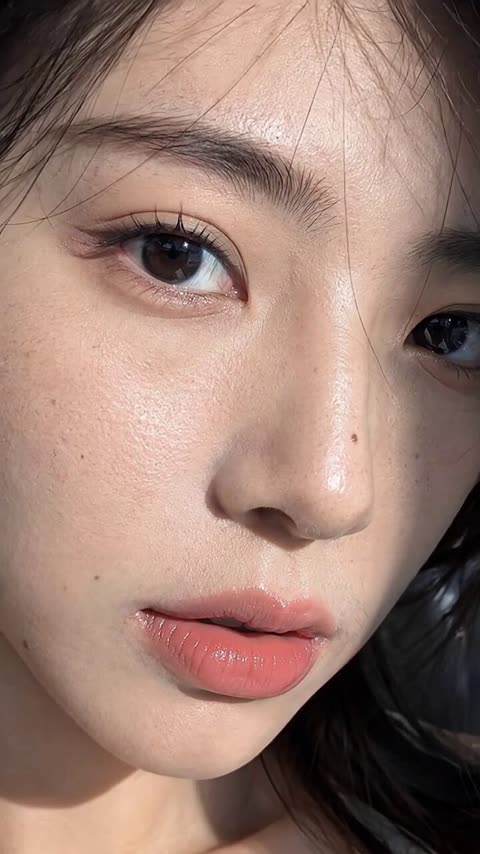
Ultra close fashion portrait with candid flashes
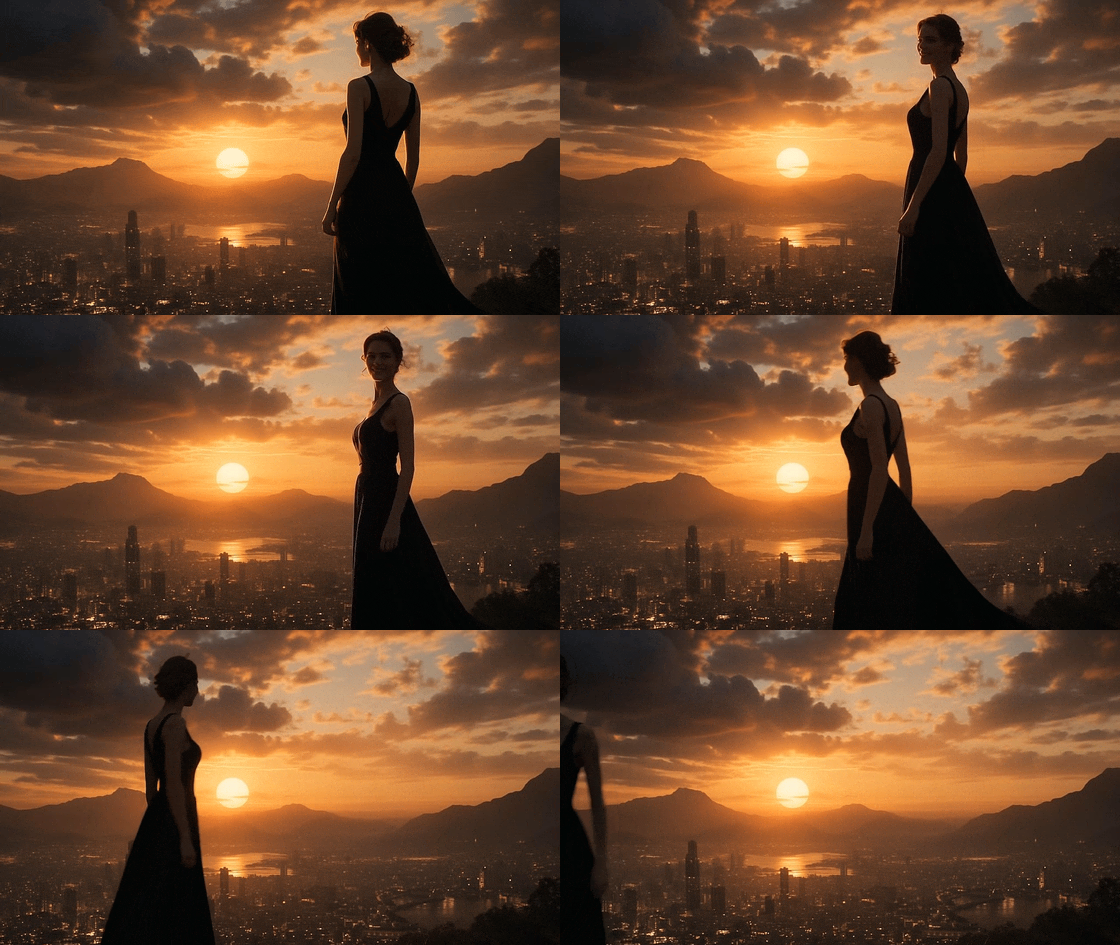
The prompt splits the 15 seconds into five timed beats, each with its own camera move, gaze and flash cue. It also lists real skin flaws and bans plastic skin, which keeps the face photographic.
PROMPT LIBRARY
Each prompt is quoted word for word from the model maker's guide or from a creator's post, next to the output it produced. Click a picture to watch or view the original.
Maintained on GitHub: awesome-image-video-prompts awesome-prompts
The prompt splits the 15 seconds into five timed beats, each with its own camera move, gaze and flash cue. It also lists real skin flaws and bans plastic skin, which keeps the face photographic.
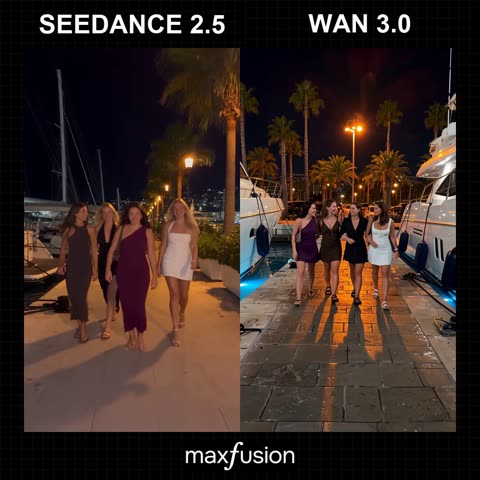
Opens with a style and characters block and a setting block, then a timestamped shot list that gives each beat its own camera move such as a backward track, a whip tilt and a high angle look down. A separate audio block asks for live sync sound with no music, which supports the raw phone footage look.
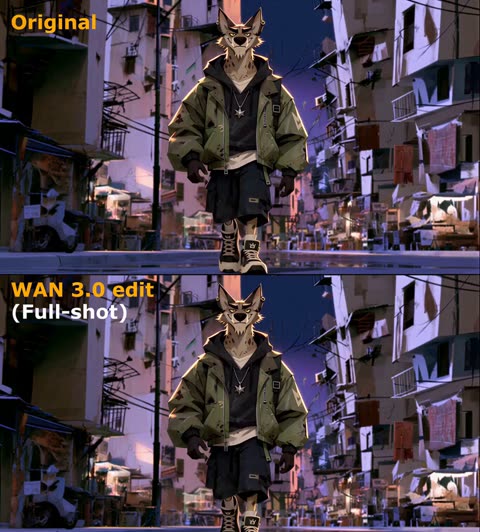
Upload one continuous shot as the action reference and Wan re-films it from new angles. Regenerate if a shot drifts.
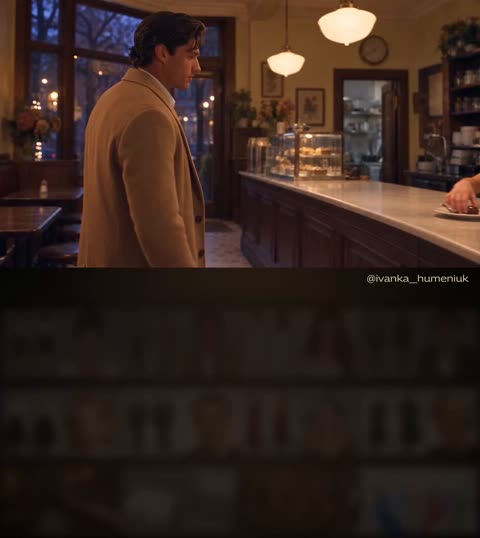
A three panel character sheet is built first from one reference image, with front and back views on the left and one detailed portrait on the right. The front view face is blurred on purpose so the portrait is the only face reference, and outfit, fabric and film look are spelled out to keep the character consistent across scenes.
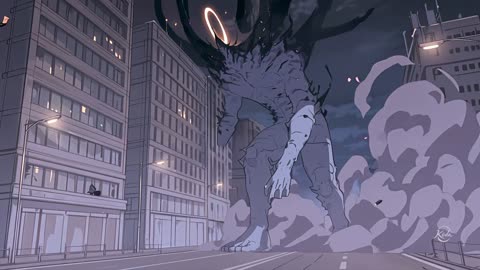
Two tagged references (hero, monster) and an instruction to keep their hand-drawn line work. Wan has its own anime look.
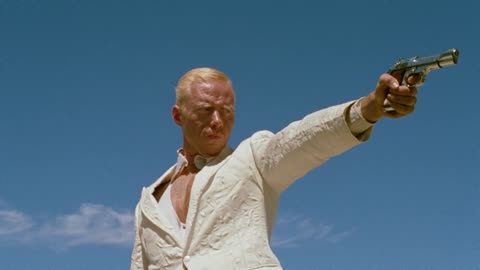
Written in numbered beats with restrained performances. It ends right before anyone fires.
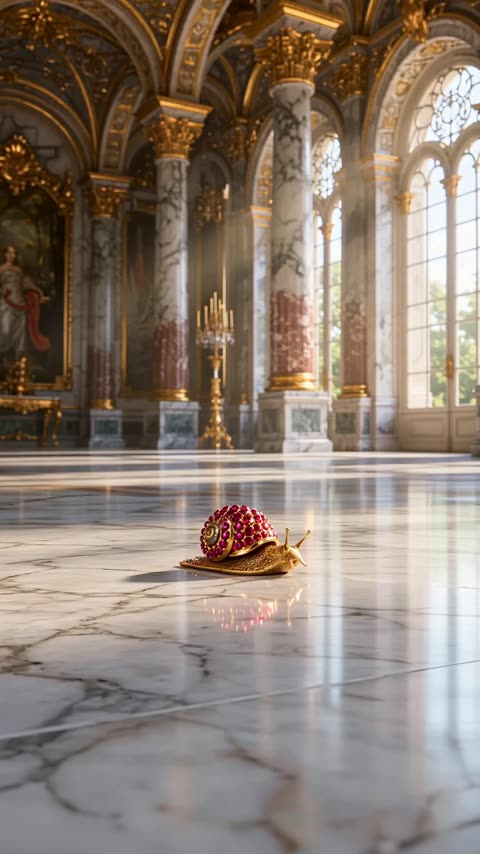
A repeating transformation: each step onto a creature turns it into a shoe. The pattern is stated once and the model repeats it.
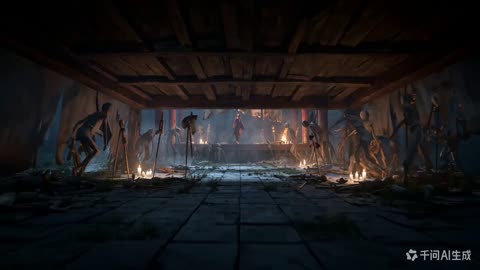
Starts with a style block (CG, lighting, rendering terms), then the fight, then two plain bans: no music, no subtitles.
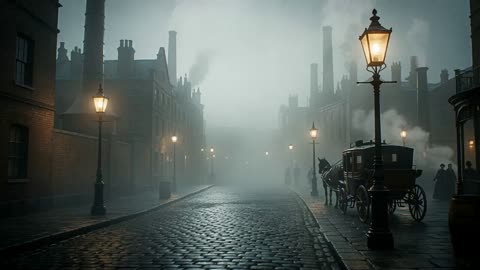
Opens mid-motion and keeps one sound element (a low cello) under every cut to hold the montage together.
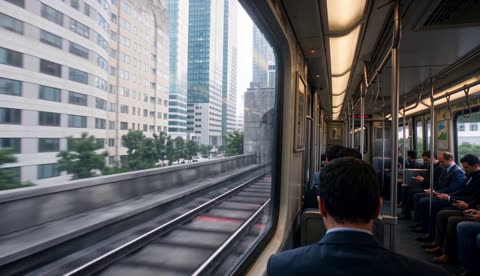
Opens with a spec sheet (duration, ratio, format, style), then lists physical rules the scene must obey, such as passengers never teleporting.
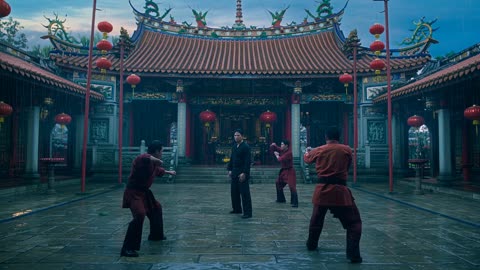
Bracketed sections (`[PROJECT TYPE]`, `[Global Setting]`, …) and a closing checklist of what the fight must show.
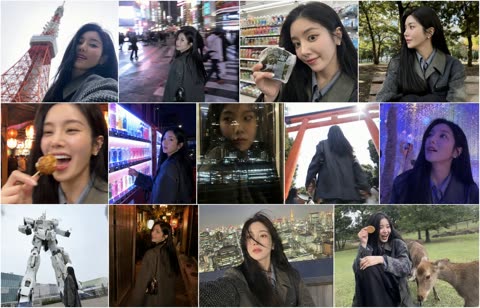
Chinese description with Japanese dialogue. Every second gets a location, an action, a line and the transition into the next one.
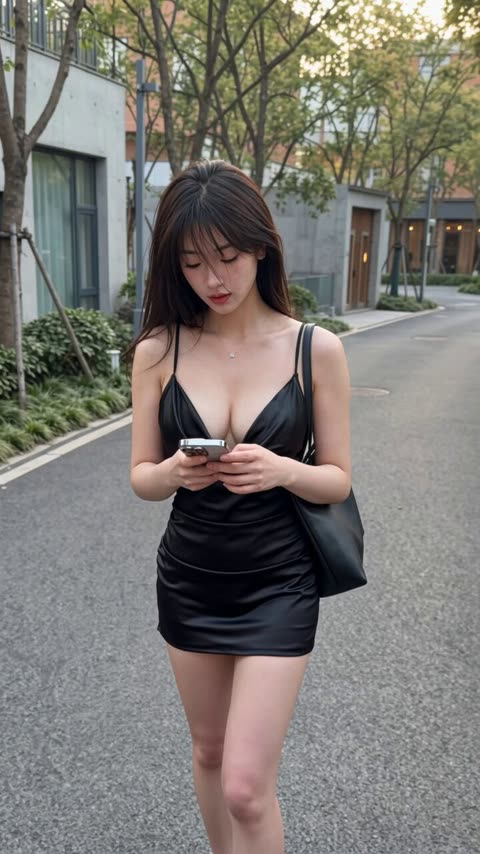
Chinese prompt with labelled blocks. The joke is the hard cut between a cold moving shot and a smiling still photo, and the rules forbid any fade between them.
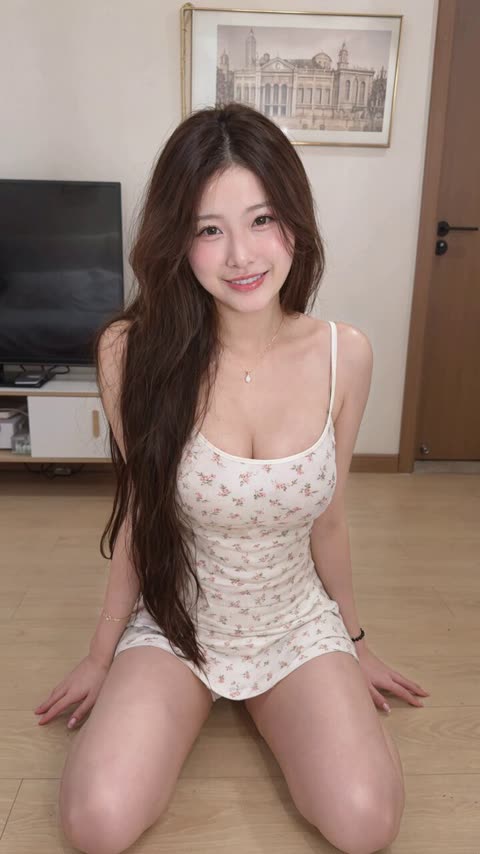
Names the character once (`粉宝`) and refers back to her by name. It even specifies which hand does which move.
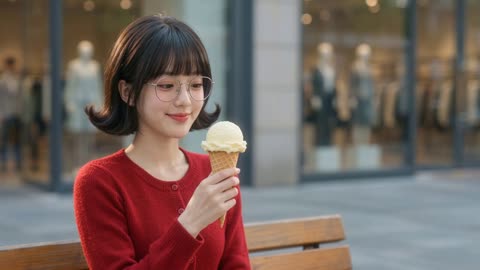
Cursors, selection boxes and transform handles exist on the street with shadows and occlusion. Long ban list keeps it from turning cartoony.
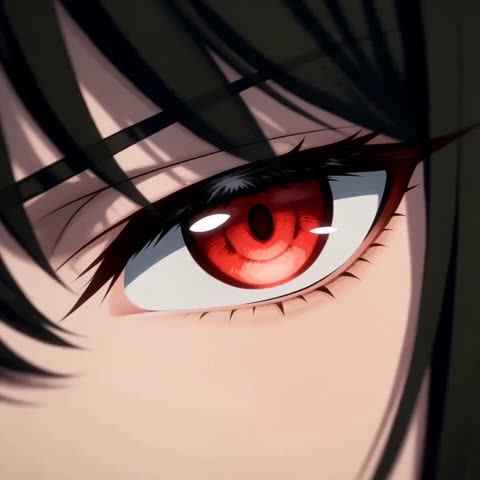
A numbered shot list with time blocks and one abrupt camera move per shot builds three connected action bursts. Faces stay out of frame until shot 20, and hard match cuts link similar shapes without morphing.
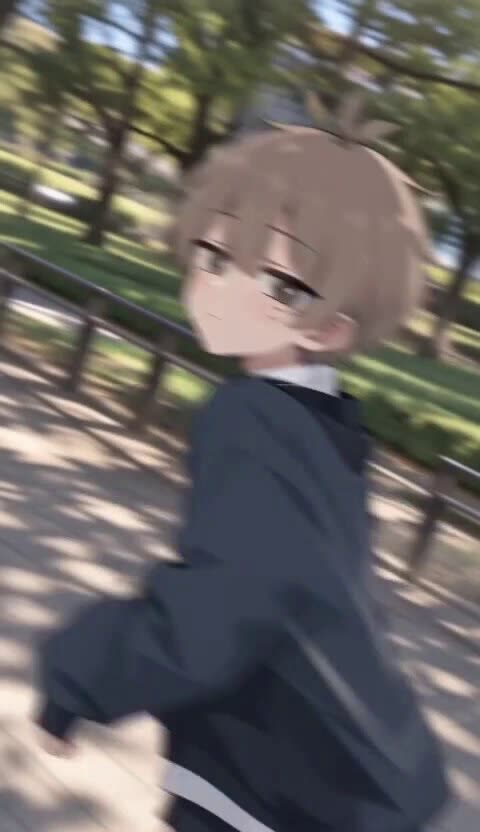
A 3x3 panel image is fed as the reference, and the prompt asks for cuts running from the first panel to the last, so the storyboard plays back almost as drawn. Forbidding multiple panels on screen and BGM keeps each shot full frame and the audio clean.

The key visual is locked as the exact first frame, and five timed shots each name their background color, motion type and on screen text. Exact Japanese strings, a ban on extra text or UI, and a fixed end hold at 12 seconds keep the typography clean.
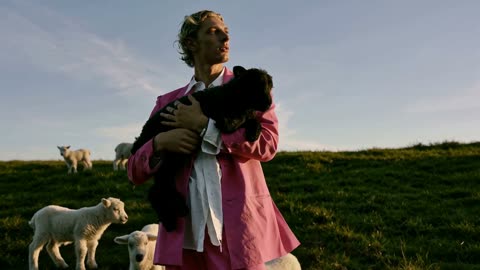
Edit-mode prompt with six fields. `retention_analysis` says what to keep from each input: the source video fully, its music partly, and only the voice timbre from the second audio clip.
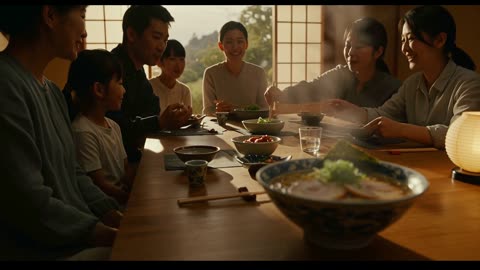
The first line pins the input photo to frame 0, then the prompt describes the whole eight seconds as one locked-off shot whose only move is the focus shifting from the bowl to the family.
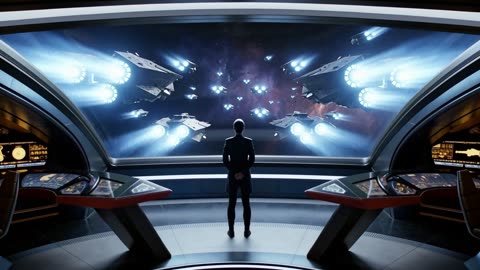
The full H3-Context-IR format: numbered shots with a timed cut at 00:04.500, then separate fields for sound and score. Most local H3 runs skip this rewriting step, which is why they look flat.
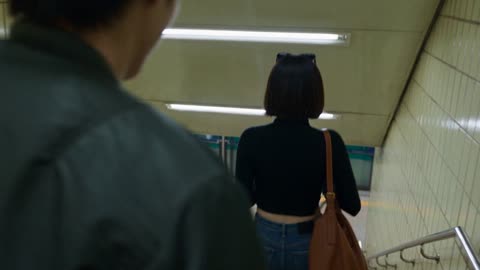
Sets the camera language in the first line (handheld, fluorescent, real time), then plays the gag in clear beats and spells out what must stay visible at the end.
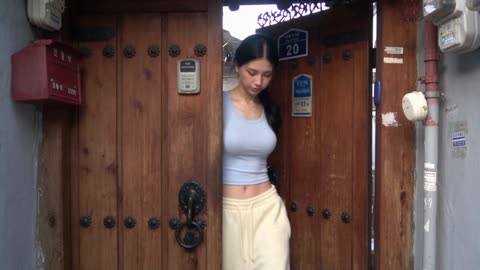
Pure text, no reference image. Realism comes from asking for small accidents and imperfect camcorder operation.
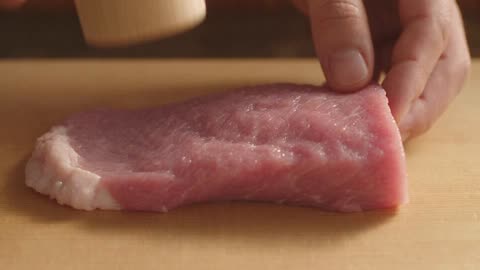
Opens with an explicit ban on imitating any existing anime, then walks through the recipe step by step so every cut has a job.
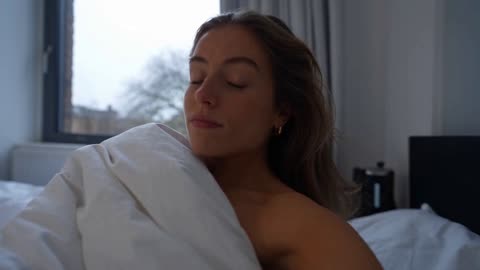
Under 1,000 characters for 30 seconds. A tight routine plus a short list of failure modes to avoid.
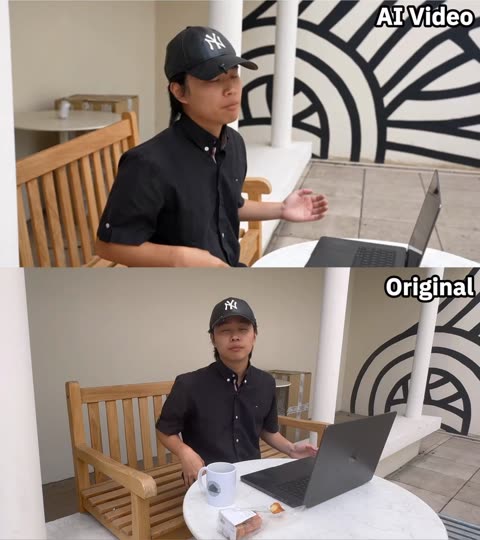
The prompt locks performance, audio, lighting and tempo of the source video, then varies only camera position and lens through a timed shot list. Measured speech windows, an eyeline rule and an empty sky rule keep lip sync and background clean in every new angle.
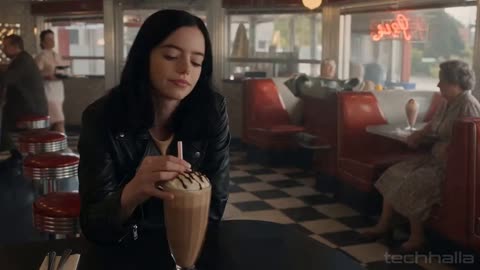
A single effect carried for 30 seconds. The diner is described once in detail so the freeze and rewind read clearly against it.
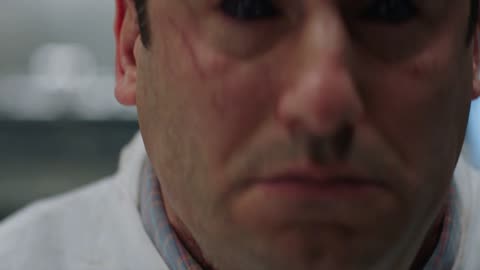
Asks for an immediate hook and grounded practical effects, which keeps the creature from looking like CGI.
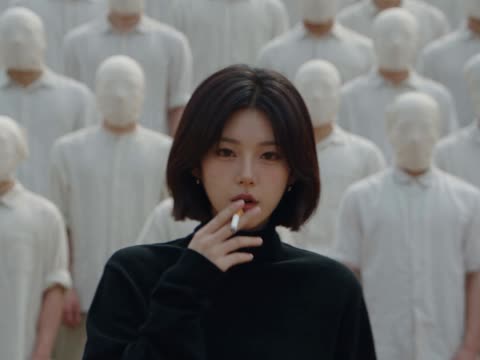
Uploaded images lock the woman, the crowd and the framing. The text only directs motion and lists what must not appear.
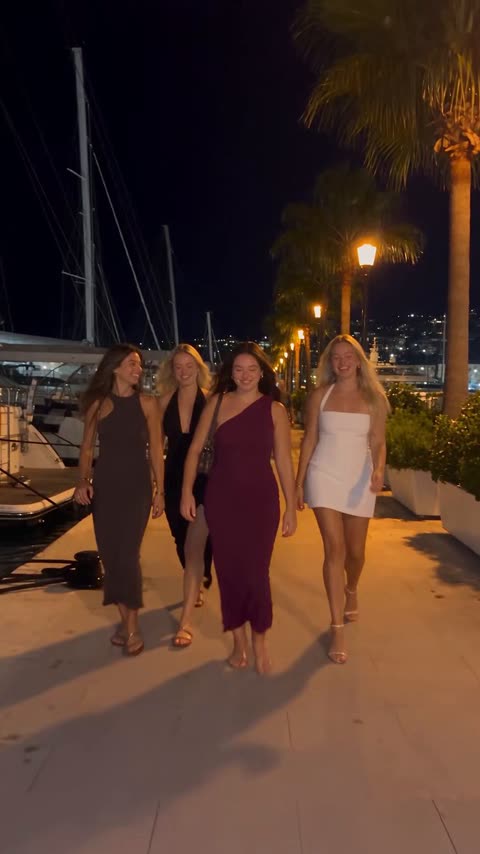
Starts by naming the camera operator (a friend walking with the group). Everything about the shake and framing follows from that.
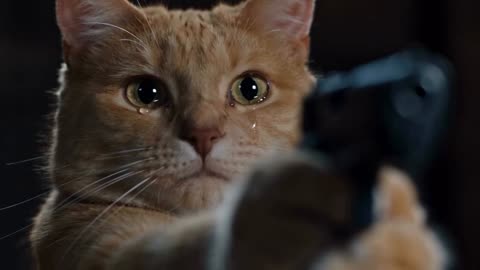
A timestamped shot list assigns each beat a framing, an action and an emotional turn, so the tension in the dark cabin resolves cleanly into the golden hour meadow. The opening lays out both characters, both settings and the lighting contrast between the two halves, which keeps the cats and the locations consistent across cuts.
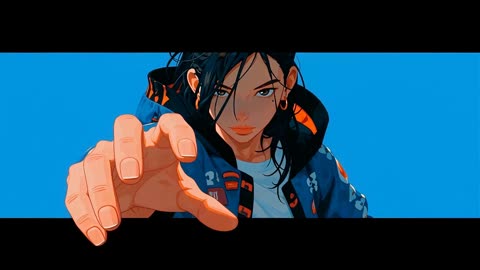
The prompt states a back to front compositing order (background, black bars, character) so the foreground character overlaps the bars while the bars stay fixed. A stationary wide angle camera, an opening lunge toward the lens and a closing instruction not to crop the character inside the window make the overlap repeat. Bar size still varies between generations.
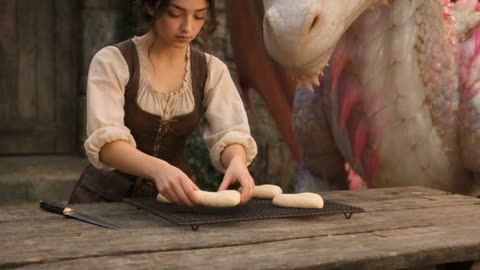
Short and specific: colours of the dragon, one hard rule (all bread heart-shaped), and a mood word to end on.
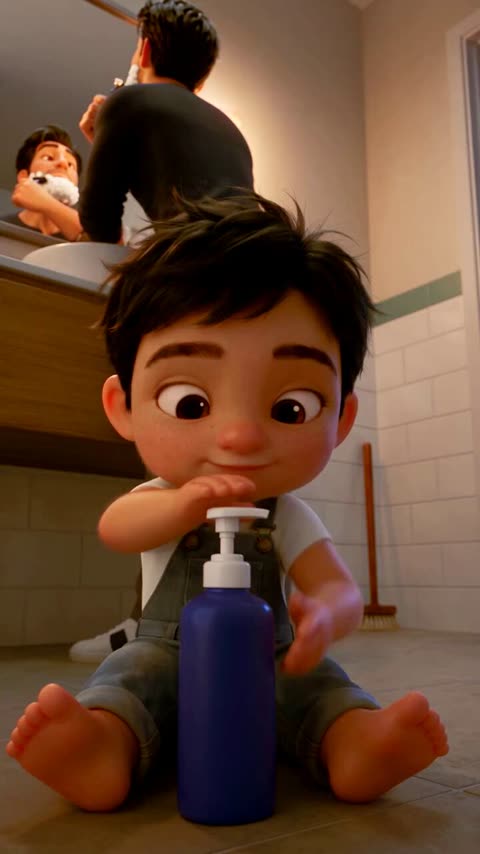
Vertical 3D family comedy. One clear setup, one gag, one laugh.
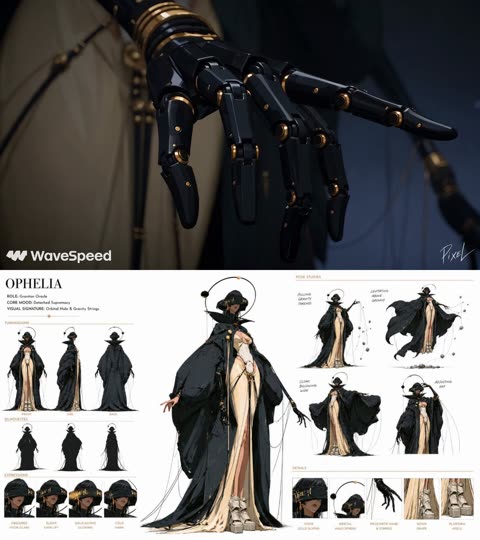
A fixed painterly style block with explicit negatives opens and closes the prompt, then WORLD and CHARACTER blocks lock the look. Ten timed shots of three seconds each, with the shot type named in every cut, give the 30 second piece a clear arc from macro detail to hero frame. The character sheet made with GPT Image 2.5 serves as the identity reference.
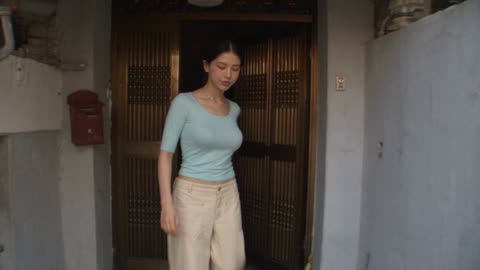
Character comes from a reference image. The closing list of bans (beauty filter, changing outfit) keeps her stable for 30 seconds.
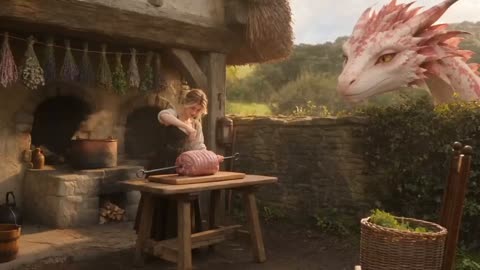
A second-by-second shot list from wide shot to extreme close-up builds a full comedy arc in 30 seconds, from the dragon's fire blast to a gentle forgiveness beat. Character sheets for both leads, a setting list and a separate audio line for fire, steam and dragon sounds keep the look and sound consistent.
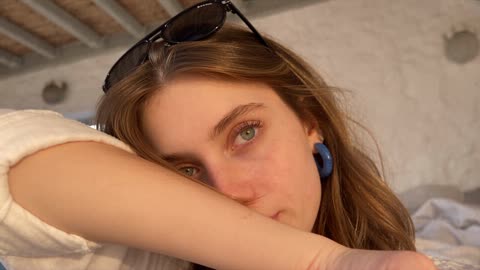
Third step of a thread: a character sheet and a product shot go in as references, and the prompt insists `Not an ad` to get the self-filmed feel.
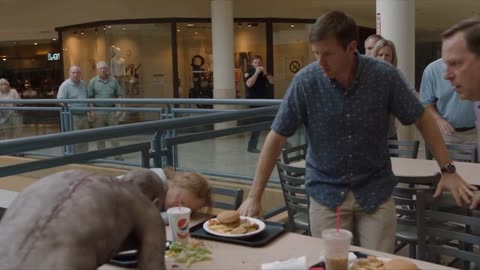
Starts in normal trading hours so the outbreak has something to break. Ends on a quiet beat instead of an explosion.
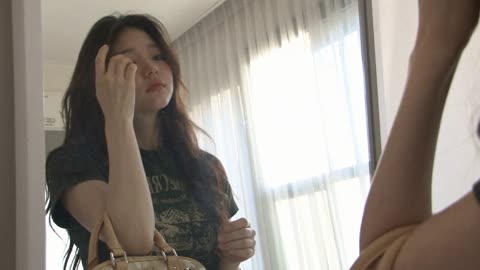
Period realism by naming the device. Scenes are numbered and the prompt demands they play in that exact order.
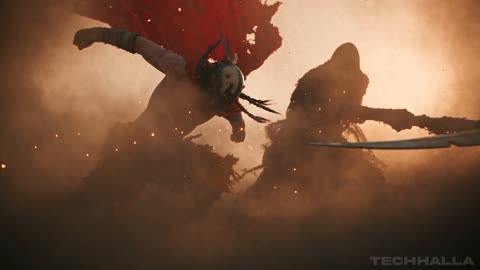
Two image references lock the reaper and the warrior character sheet, then a timed shot list from 0 to 30 seconds names a camera move and a clear action beat for each segment. A shared style block of anamorphic lens, haze and particle physics keeps the look consistent across the cuts.
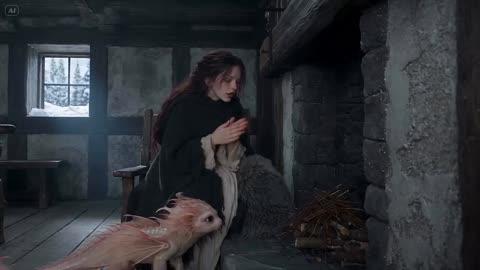
The prompt splits 25 seconds into four timed scenes, each with its own shot size and one clear action beat. A blue to amber color shift tracks the fire lighting up, and the sound design and a negative prompt keep the creature consistent.
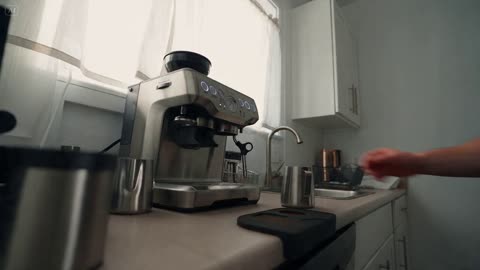
Organised under labelled blocks (`CAMERA / LOOK`, then subject, action, sound). Easy to reuse as a template.
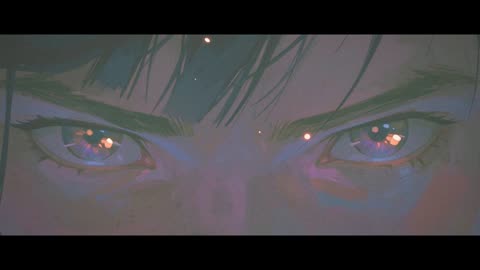
Two labeled references split identity from body, costume and effects, and a sixteen shot timeline gives each cut a time range, camera move and technique. Sound cues are tied to the cuts and an avoid list keeps the painted look free of glossy CG fire.
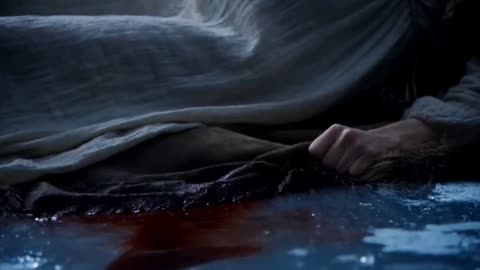
Written as a sequel: the first line states it continues an earlier clip, which helps keep tone and characters consistent across a series.
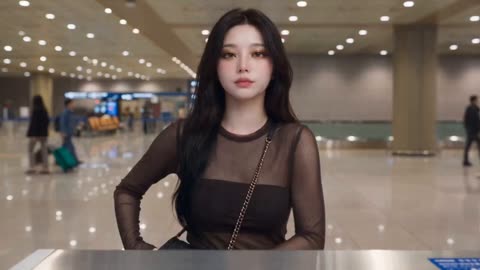
A character block repeated in every part locks faces, outfits and location, and the 12 shots carry exact timestamps and panel labels. Each shot states framing and camera behavior, and a master effects list plus an energy arc keep the 30 second real time pacing.
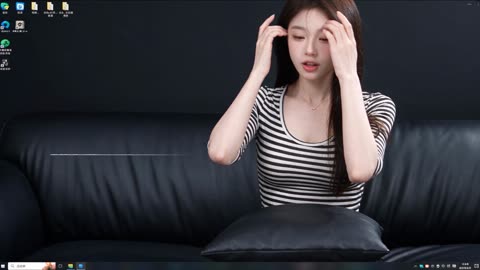
Image 1 locks only the face and hair, and the clothing is described per change. It also tells the lead to close her mouth when the off-screen man speaks.
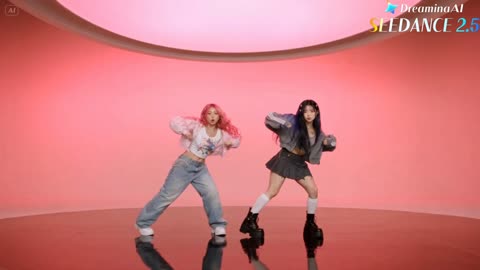
A 30-second MV laid out in 2 to 4 second time ranges, alternating between three sets.
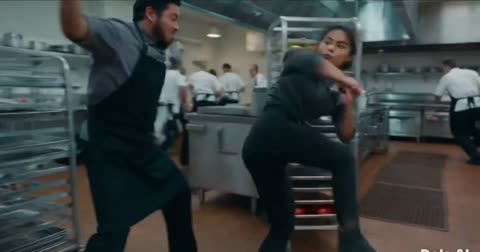
Ten seconds of fight choreography with the grade and camera fixed up front and a sound list at the end, no music.
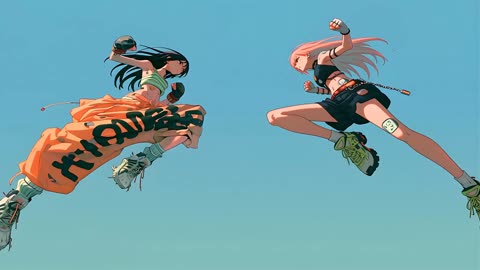
Character reference blocks lock each fighter's outfit, then a style and energy header sets cel shading, impact frames and constant camera motion. A four shot list gives each shot its own camera path and a chain of strikes with no pauses, and an Avoid line bans slow motion and freeze frames.
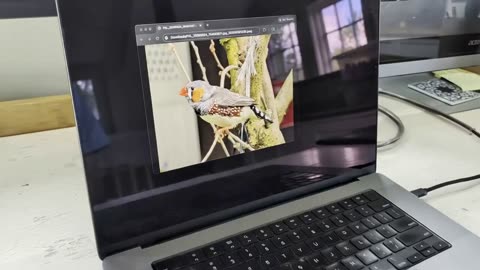
The prompt first locks the screen content to match the source video, then describes one continuous action in order: head turn, leaving the photo, landing on the hand. A real filmed setup gives the effect a physical anchor.
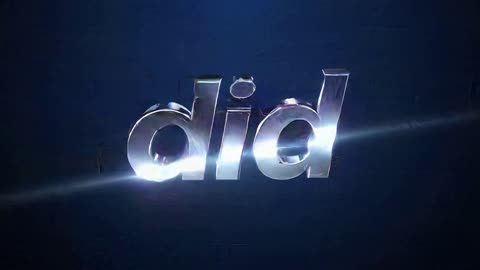
The exact word sequence is spelled out, with one word on screen at a time. Asking for a different animated style per word and pacing to a rhythm gives the model clear control over timing and text motion.
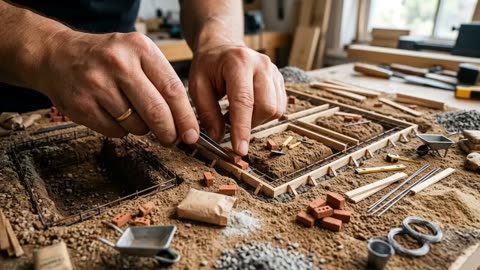
The prompt lists concrete miniature materials and tools, then states the construction stage and the empty pool area, so the model knows what is built and what is not. Macro lens, shallow depth of field and giant hands against tiny objects set the scale contrast.
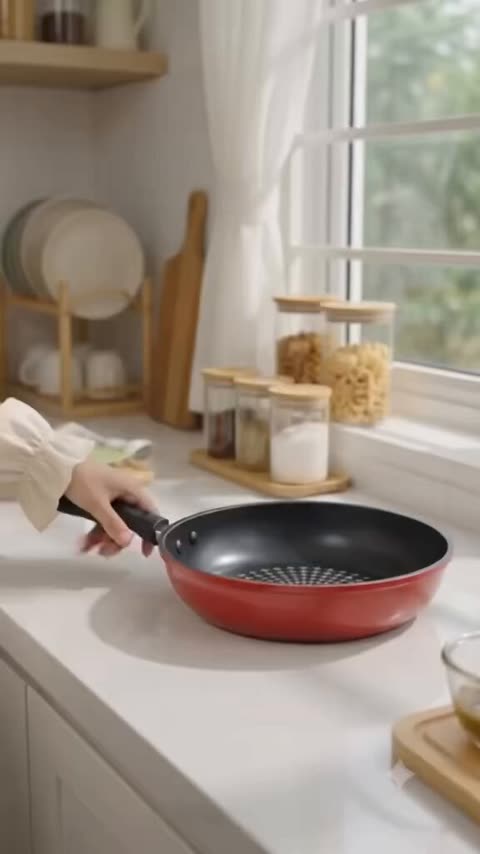
A structured prompt written as labeled sections (format, header, panel layout, photography style, footer) makes GPT Image 2 produce an eight frame storyboard board. That board then serves as the visual reference that Gemini Omni Flash animates into a product shot.
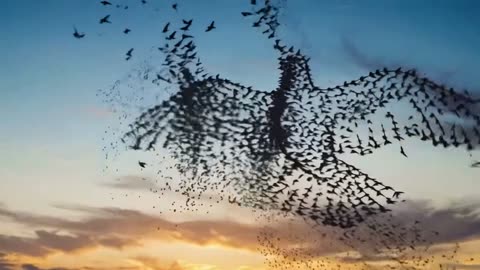
Three inputs, each with its own tag: `<video>` for motion, `<image>` for shape, `<audio>` for timing.
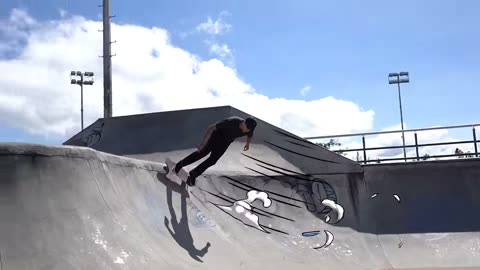
`keeping everything the same` locks the footage, so the edit only layers effects on top.
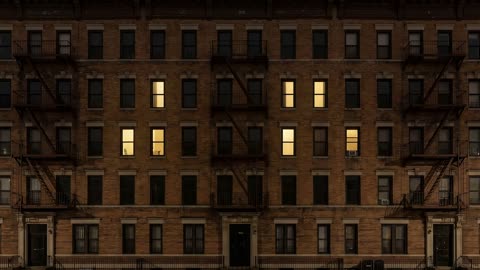
Syncs a visual event to an audio track by naming both in one sentence. No timestamps needed.
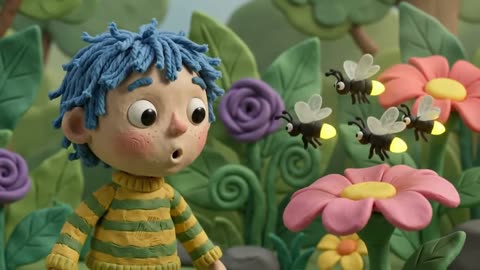
Two short edit turns on the same clip. Each turn names one subject and its replacement, and everything else stays put.
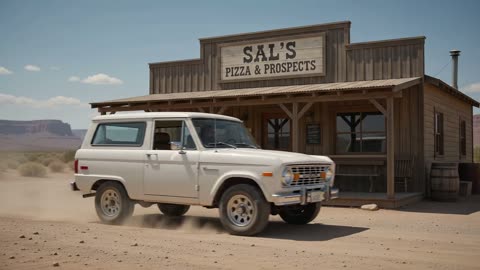
The storyboard image carries the plot. The text only sets reading order, total length and tone.
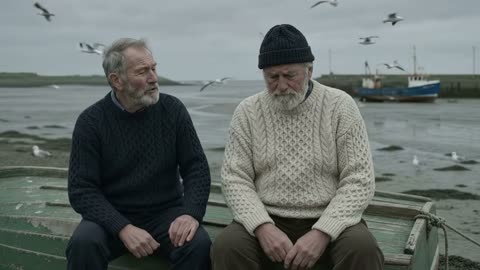
Each extension only says what happens next: one line of dialogue, then a camera pull-back and a music cue.

Lists the exact words in order and asks for a new animation style on each. Good test of on-screen text.
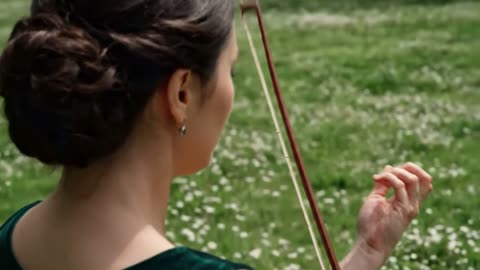
A camera change written as one plain sentence. Omni re-renders the same performance from the new angle.
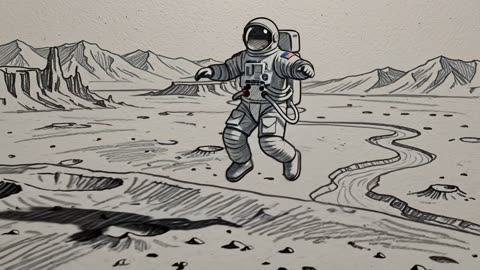
Restyles a reference video in four stages. Each stage gets its own texture words, so the transitions read clearly.

Asks for an explanation and leaves the content to the model's world knowledge. The prompt only pins down the visual style.
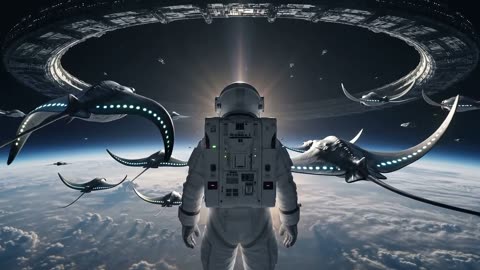
Three edits in a row on one shot. The scene and camera stay consistent across every turn.
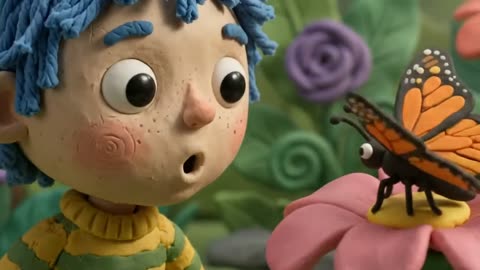
Three camera moves chained in one line, in the order they happen.
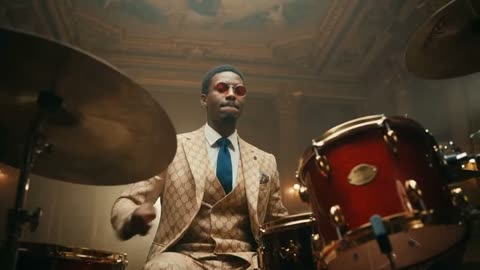
First and last frames fix both ends. The prompt describes the move between them and closes with `One continuous shot, no jump cuts`.
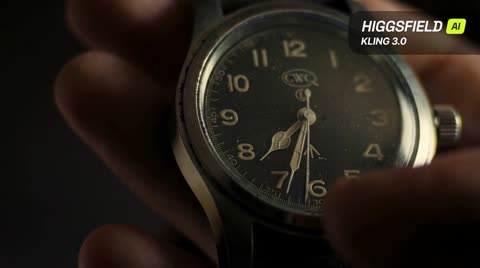
The prompt fixes the camera distance in inches and lists concrete surface details such as dust, micro scratches and patina, so the model holds texture. A single warm grazing key light, a shallow depth of field and one small motion, the second hand, keep the shot stable.
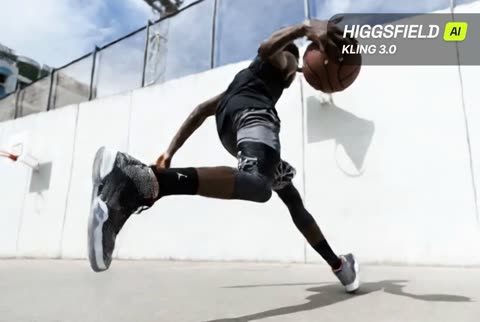
The prompt splits one action into four numbered shots (dribble, jump, mid-air flip, dunk), each with its own shot size and angle. Low angles and a slow-motion close-up on the flip give Kling's physics a clear beat to simulate.
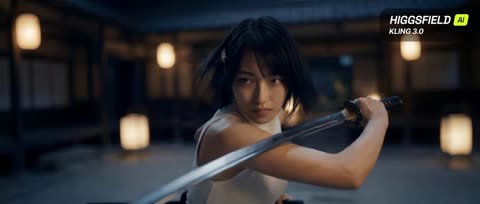
Six numbered shots, each with its own framing, move a single scene from a macro mouth detail through wide action to a closing portrait. Naming the camera angle and the physical effect per shot, such as flying wood splinters and dust, gives the model clear impact beats.
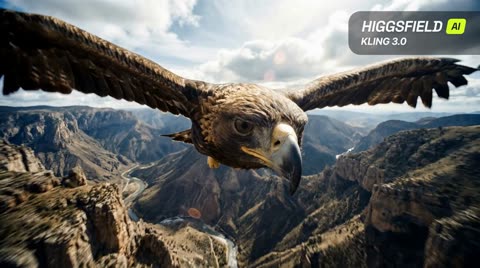
The camera is locked to the eagle's head, with wing and feather edges kept in frame as a stable anchor. Ground parallax cues (rivers, valleys, peaks) and the constraints on jitter, motion blur and cuts keep the flight physically coherent in one continuous shot.
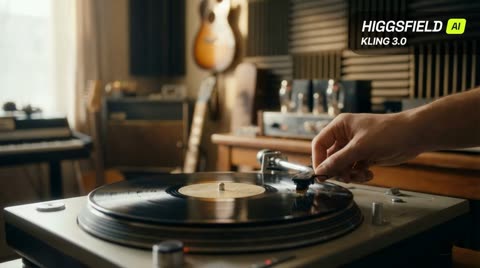
Starts from a given frame and runs one continuous take. A rigid bolt-mounted push-in locks onto the needle tip, and the prompt lists macro details, dominant sound design and explicit camera rules.
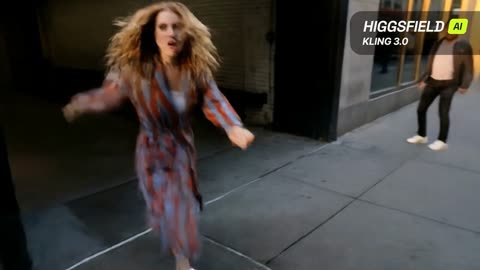
Each shot gets its own number, with a stated shot size, lens behavior and one concrete action. Cutaways to macro details and a contrasting calm scene build rhythm, and the character's look is repeated so she stays consistent across shots.
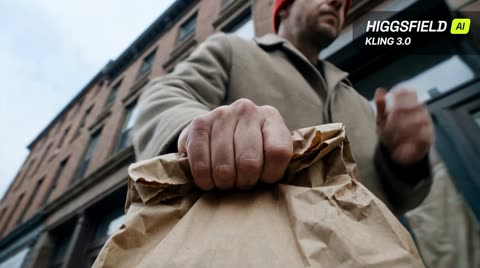
The prompt names one anchor object and states that the camera is rigidly locked to it, so the subject stays centered while the background streams past. Concrete motion and texture cues such as pumping arm, whitening knuckles and vibrating paper tie the subject's movement to the shot.
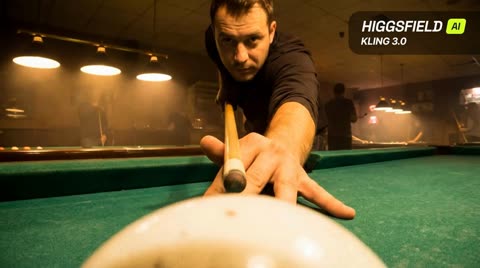
The prompt names an unusual camera identity, the ball itself, and splits the shot into strike, roll and drop beats. Low table level framing, motion blur, lamp light streaks and parallax from rails and background players keep the POV motion physical.
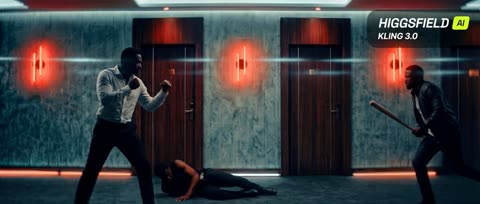
The prompt sets the location and lighting first, then lists the action beats in order: stance, entrance from the right, block, grab, knee strike, push to the wall. A closing camera line asks for a steady tracking move that follows the action.
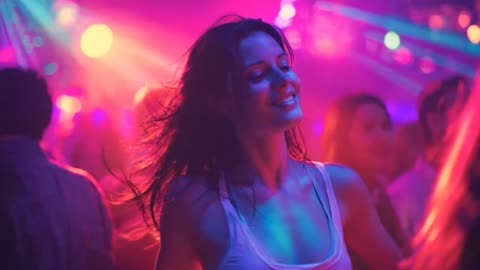
The prompt stacks subject, wardrobe, setting, lighting palette and camera moves in one dense paragraph. A separate negative list and a closing technical line for resolution, frame rate and grade keep the look consistent.
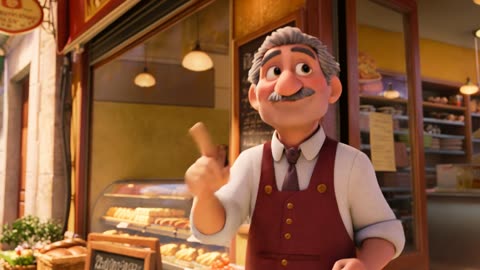
Three speakers with different fluency: the tourist is told to speak slowly with an awkward accent, the clerk lightly and cheerfully.
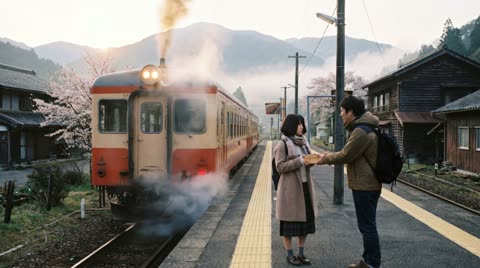
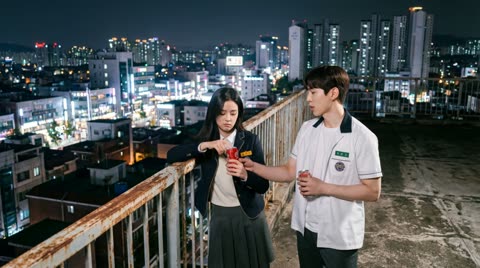
Japanese lines in corner brackets, no speaker labels beyond `the boy` and `the girl`. Shows Kling's Japanese lip sync.
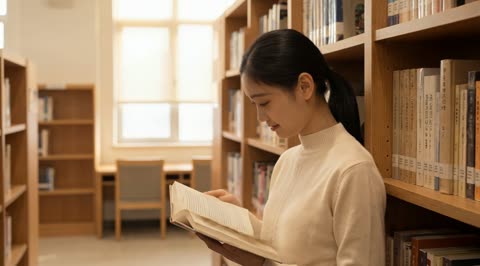
Same one-line prompt run twice, with and without a bound element. The page shows both outputs so you can compare face consistency.
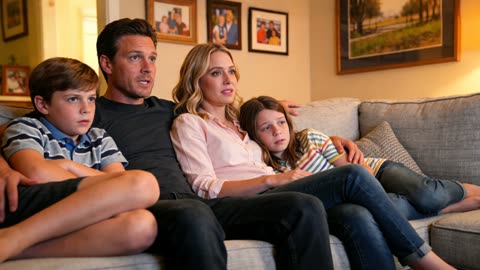
Four speakers, each tagged by role and tone (`Mom (softly, in a surprised tone)`), so lines land on the right face.
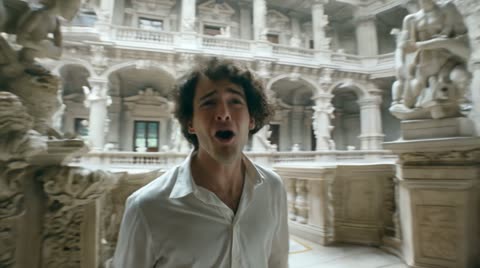
Declares `single unbroken shot with no edited transitions` up front, then carries one emotional arc from despair to reunion.
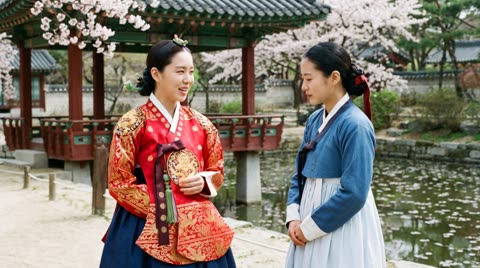
Period drama in Korean. Tone words (`warm, gentle`, `with deference`) set the social register between the two.
Language is declared inside each speaker tag: `Boy (casual tone, Korean)`.
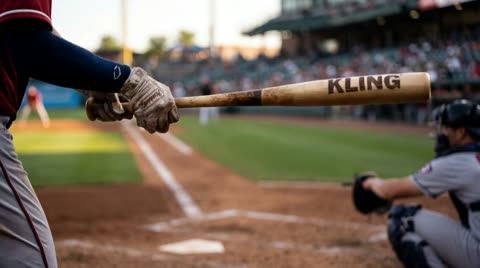
One sentence that ties the camera to a word on a moving object. A quick test for text stability.
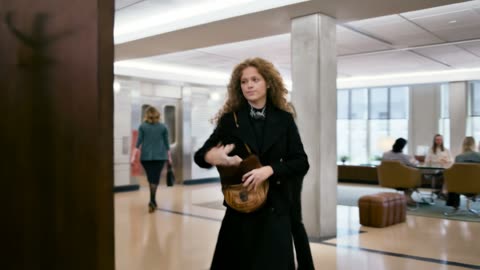
Start frame plus a bound character element. The prompt spells out how the camera moves with her: track when she walks, stop when she stops.
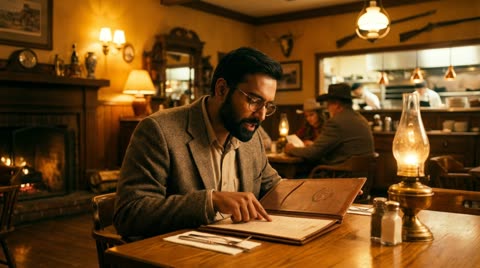
Accent is named once before the line. The pause between the two sentences is written as an action (`then he looks up`).
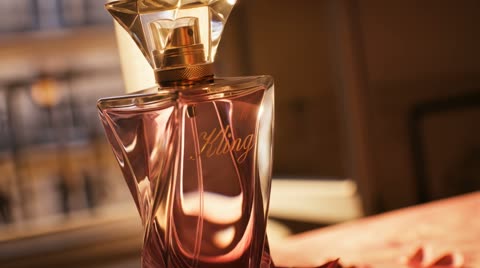
Product shot that keeps the bottle's printed name legible. Voiceover, accent and BGM are all specified in the prompt.
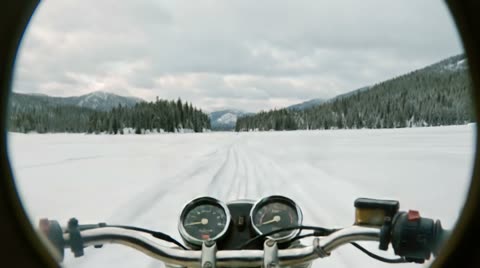
Six shots, each defined only by angle and camera move. The landscape is described once, in the last shot.
Custom Multi-Shot from Kling creative partner Dave Clark. Every shot repeats `cinematic handheld` so the look holds across cuts.
Multi-Shot on: the model plans the shot-reverse-shot by itself from one paragraph of action and dialogue.
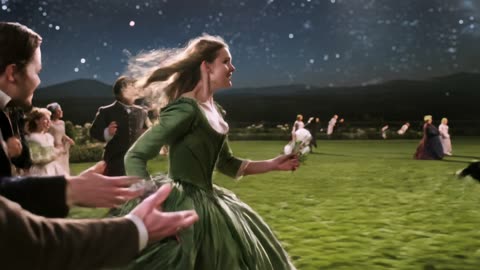
A 15-second continuous shot written as a director's paragraph: lens, rig height, grade, then action in order.
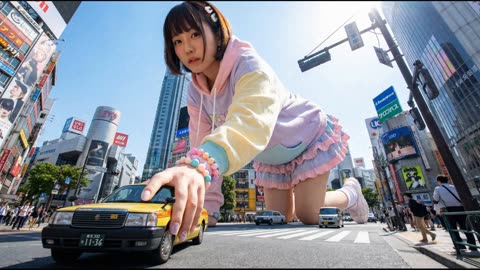
A bracketed universal template fixes the camera angle, the giant's outfit, location and action, then adds tiny cars and people near the hands and feet to establish scale. Generate the still with Nano Banana Pro at 4K, then animate it with Veo 3.1 as image to video.
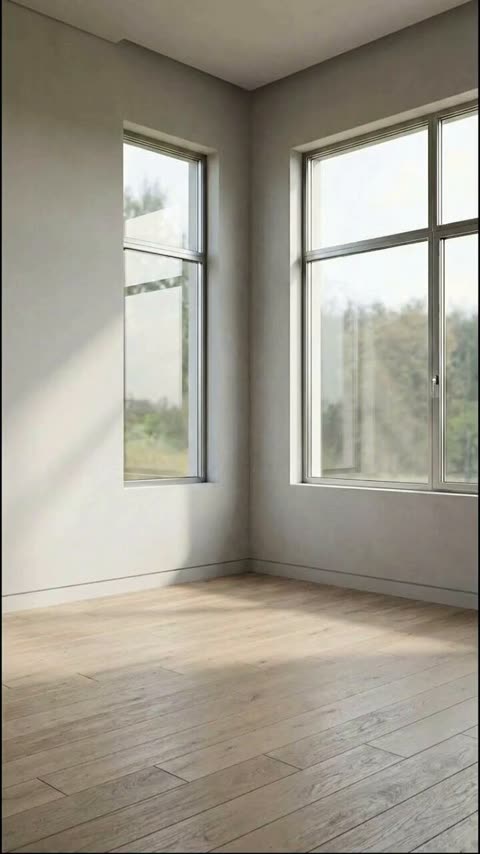
Start and end frames, both made in Nano Banana Pro, fix the empty room and the finished design. The prompt only describes the fast motion construction between them, so Veo fills in the transformation.
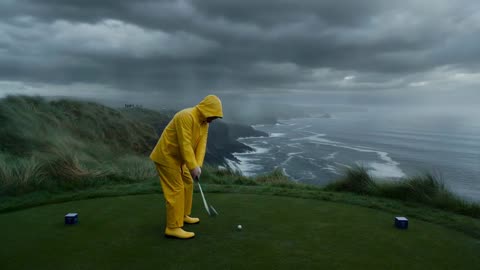
The prompt runs as a beat by beat sequence: swing, camera locks onto the ball, approach, then an extreme close up at the cup. It states the tracking behavior outright, with the ball sharp and centered while the background streaks, and adds sound cues like the crack of the club and howling wind.
The prompt starts from an empty set and numbers each object's entrance, so the assembly order is explicit. A locked camera, a ban on bouncing and an end frame matching the reference image keep the motion clean and controlled.
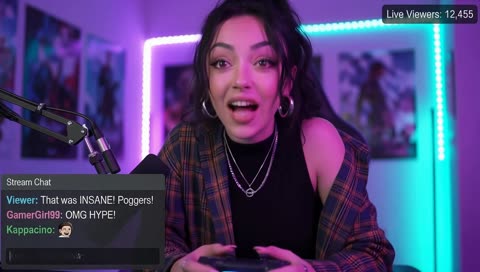
The prompt describes a medium close-up with pulsing neon light and a handheld micro-sway, so the shot feels like a live stream. It also lists audio layers such as room ambience, keyboard clicks, mic hum and distant game sounds. A Midjourney character reference and a Nano Banana Pro start frame keep the face consistent.

Short world-building prompt. One striking detail (`the only footprints in untouched dust`) does more than a long list.
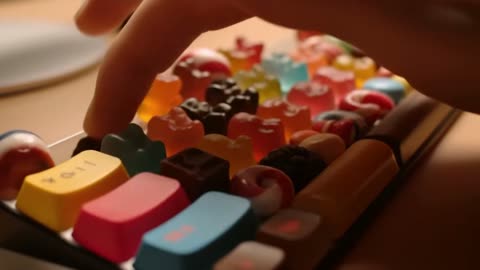
A separate `Audio:` line tells the model what the scene should sound like.
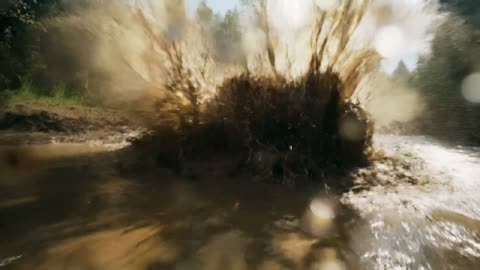
A play-by-play for an 8-second action beat. It also asks for unbranded vehicles, which keeps logos out of the frame.
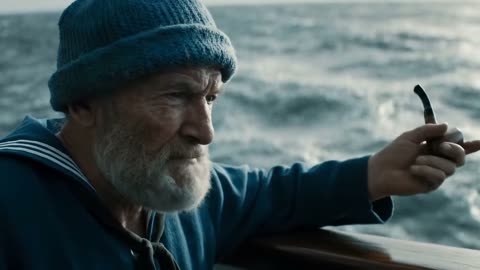
Character first (hat, beard, pipe), then the spoken line in quotes. Veo 3 lip-syncs the quoted text.
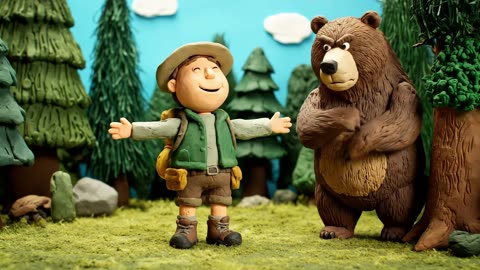
The whole prompt is a format label plus two lines of dialogue. Veo fills in the scene.
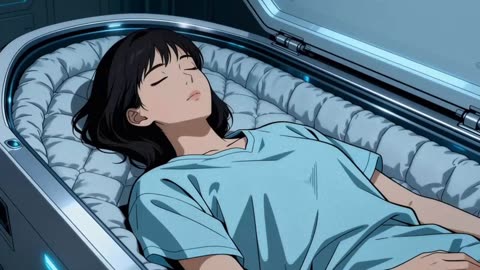
A style line up front sets the anime look, then timecoded Cut to beats every two seconds pin down each shot. Each beat names one action and one camera position, so the story moves from lab to ladder to forest.
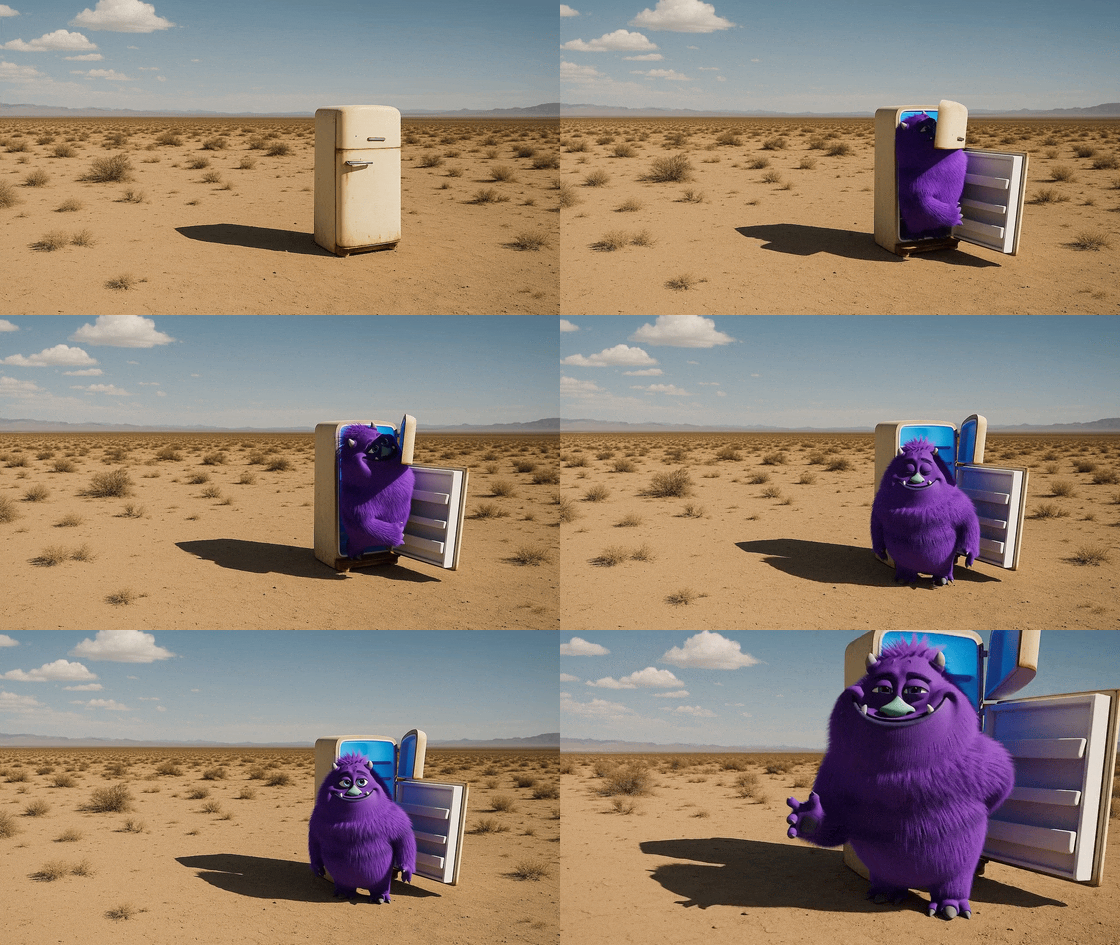
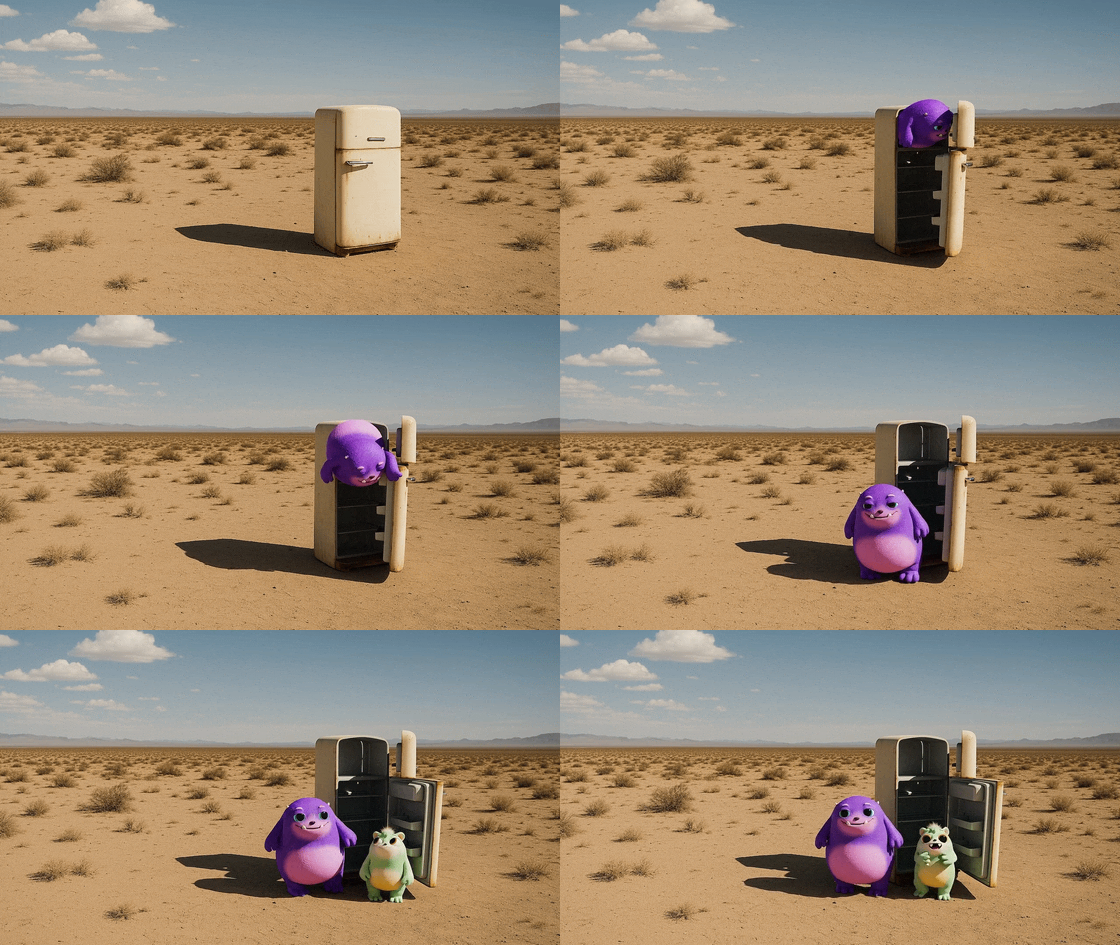
Two short beats: the door opens, the monster comes out.
Each edit is a separate run on the original clip and changes one thing. OpenAI's advice: describe only the tweak.
With an input image the first frame is set, so the prompt only describes what happens next.
Nothing matches. Try a shorter word.
Prefer to learn the craft step by step? The 16 chapter course is here.